Matched to the Project
Film and protection systems are evaluated around the vehicle, its condition, intended coverage, daily use and desired result.
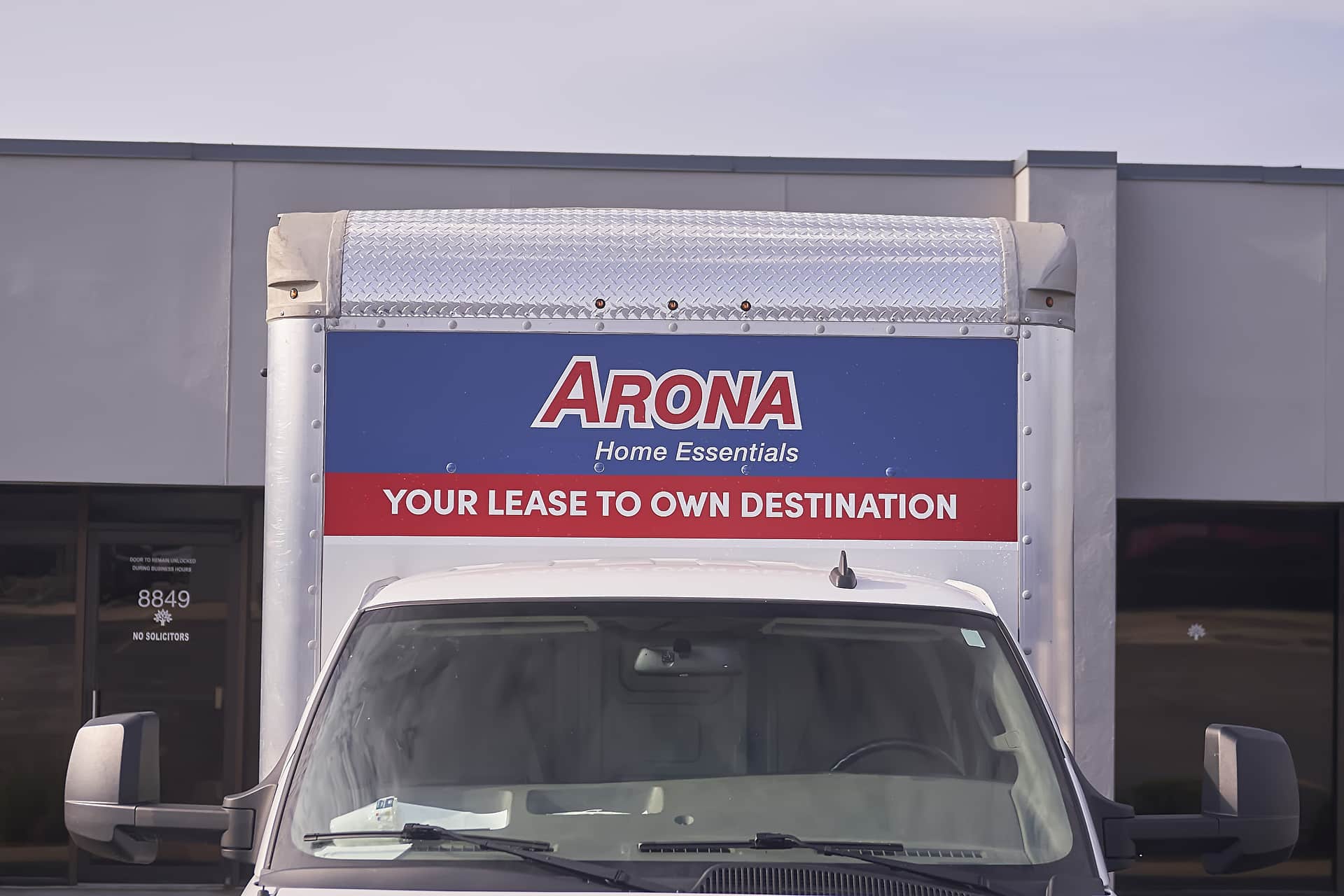
Logos · Lettering · Spot Graphics
Sharp, professional spot decals and custom accents built for clean identity and budget-focused style.
Make Every Detail Count
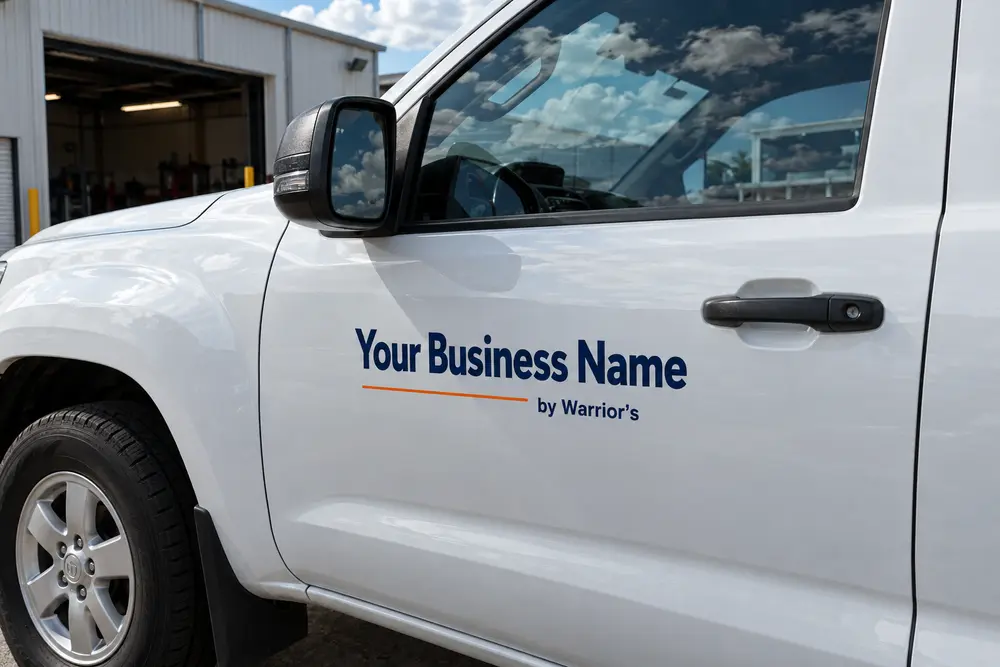
You do not need a full wrap to give your vehicle a professional business identity. Custom logos, lettering and decals can put your name, services and contact information where customers can see them. A thoughtful layout keeps the message clear and readable while making good use of the vehicle’s existing color and body lines.
Warrior’s KC works with businesses of every size across the Kansas City metropolitan area, from an owner-operator lettering a first truck to a company adding graphics to several service vehicles. Our Lenexa team can help you choose the size, placement and coverage that suit your message and budget, whether you want understated door lettering or a more prominent graphic design.
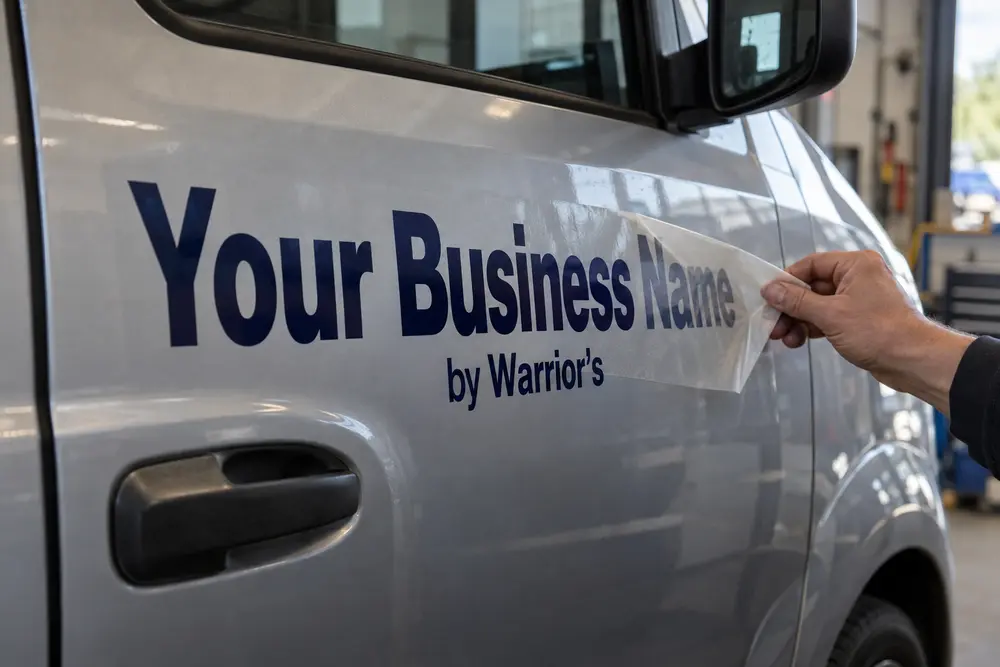
We make scheduling straightforward. Tell us about your vehicle, share your logo or ideas and let us know when you need it back. We will give you clear direction and help find a suitable appointment. We understand that your vehicle may carry your tools, crew or deliveries, so getting it back to work in a timely manner matters.
Quality shows in the details: clean surfaces, careful alignment, readable lettering and neatly applied graphics. We take pride in doing the job right the first time and will discuss the expected timing for your particular project. The goal is a vehicle that represents your business well every time it heads out on the road.
Questions & Answers
Not exactly. Decals and spot graphics cover selected areas and are often used for logos, lettering, identifiers or focused visual elements. A wrap uses broader film coverage and gives the designer more control over the vehicle's overall visual transformation. A partial wrap sits between those approaches by combining printed coverage with exposed paint.
The right choice depends on what the vehicle needs to communicate, how much of the existing color should remain visible and whether the design must scale to future vehicles. A focused graphics package can be highly professional when it is planned as one composition rather than assembled from unrelated pieces over time.
They may be considered only after the exact vehicle, glass, visibility requirements, material and applicable restrictions are reviewed. Rear doors have hinges, handles, windows, cameras and seams that affect placement. Window applications also raise visibility and product-suitability questions that require a vehicle-specific review.
The team determines whether the rear view needs identification, service clarity, contact information or unit markings and then uses only the surfaces that can support that purpose responsibly.
Our professional-grade die-cut vinyl decals are engineered to stay put and look sharp for 5 to 7 years without shrinking or peeling.
Often, but the existing film, adhesive and surface condition must be assessed first. Age, exposure, prior installation, paint repairs and clear-coat condition can change the removal plan and the appearance of the uncovered surface. A new graphic may also require a different footprint so old fade lines or adhesive residue do not remain visible.
The vehicle should be inspected before the replacement is quoted as a simple one-for-one swap. Removal, preparation and new coverage are defined as separate parts of the project when the condition requires it.
Covered and exposed paint can age differently, leaving a visible outline or color difference after removal. Ask the shop to assess the film and paint before attempting removal yourself; clean release cannot be assumed.
Yes. The system can preserve the logo treatment, approved colors, typography, service hierarchy and overall tone while adapting the actual placement to each body. A door logo may become a side-panel composition on a van, and rear information may need a different structure on a truck or trailer.
The important control is a documented set of brand rules plus approved production files for each vehicle. Without those records, later additions may rely on visual guesses and gradually drift. Businesses expecting multiple vehicles should treat even a lettering package as part of a fleet system.
Vinyl adhesives require an uncoated surface to bond tightly. We clean and polish away any hydrophobic slick coatings on target areas to ensure a permanent stick.
Yes, after the files are reviewed for scale, edge quality, color setup, fonts and production suitability. Vector files are generally the strongest source for large graphics, while screenshots, small web images and compressed logos may not reproduce cleanly. The vehicle also changes how the artwork must be arranged; a flat logo file is not yet a vehicle-specific proof.
If artwork needs correction or recreation, that work is identified before final approval. The approved production version is then preserved so future vehicles or replacement graphics use the same reliable source.
Lead with the business name or recognizable logo, then the primary service category and only the contact information that remains useful at the expected viewing distance. Long service lists, multiple calls to action and small credentials can compete with the brand and become unreadable in motion.
The side and rear views may serve different purposes. A parked vehicle may support more detail than a moving side view, but both should feel like one system. The team reviews contrast, scale, panel interruptions and the action the business wants a customer to remember.
Certifications & Manufacturer Training
When a work vehicle carries your company name, every edge, seam and surface reflects the business behind it. That same installation discipline matters when protecting or restyling a personal vehicle.
The installer credentials represented at Warrior's KC include product-specific certifications and completed manufacturer training across vehicle wraps, paint protection film, window tint and ceramic coatings. That preparation supports informed material selection, disciplined vehicle preparation, careful application, deliberate finishing and clear care guidance.
Product-Specific Certifications

Professional Wrap Training

These are professional course completions and are presented separately from formal installer certifications.
What This Means for You
Film and protection systems are evaluated around the vehicle, its condition, intended coverage, daily use and desired result.
Vehicle preparation, material handling, alignment, contours, seams, edges and final inspection receive deliberate attention.
The selected material, coverage, care requirements, expected shop window and any applicable written product warranty are reviewed before work begins.
Useful Answers
Premium film does not install itself. Surface preparation, product selection, application technique, seam and edge treatment, finishing and aftercare all influence the completed installation. Manufacturer training gives the installer product-specific methods and a stronger technical basis for those decisions.
Commercial graphics must remain legible, recognizable and consistent across vehicles with different shapes and working conditions. Professional wrap training supports a disciplined approach to preparation, material handling, alignment, contours, finishing and repeatability from one vehicle to the next.
No. The appropriate system depends on the vehicle, surface condition, coverage, use, exposure, desired finish and project objective. Warrior's KC reviews those factors before recommending a film or coating.